
Archive
Tagcloud
Sustainability: More Than a Buzzword
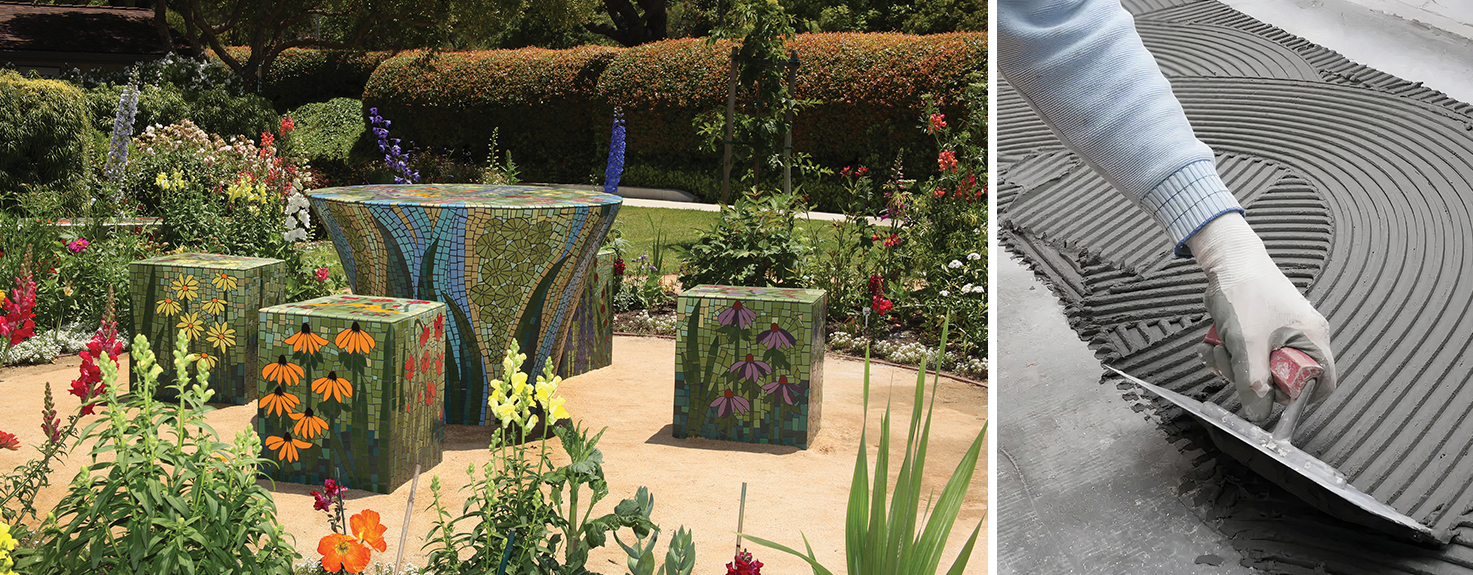
For decades, the construction industry has looked for ways to reduce environmental impact through smarter materials, improved processes, and more responsible design decisions.
Today, that conversation is evolving.
Architects, designers, contractors, and building owners are looking beyond individual product performance and considering the full lifecycle of a construction project, from how materials are manufactured and installed to how they perform over time.
That means sustainability isn't just about the materials selected for a project. The systems that support those materials matter, too. For example, in flooring, the installation system beneath tile and stone can influence durability, longevity, and overall performance, making it an important part of the sustainability of conversation. A properly designed system can reduce the need for repairs, replacement, and the material and labor that come with them.
Stakeholders are now asking a bigger question: How can smarter material choices help shape the future of sustainable design?

The LATICRETE Approach
For LATICRETE, putting sustainability into practice means looking at more than the performance of an individual product. We are addressing environmental impact across our products, manufacturing operations, and supply chain while maintaining the durability and performance expected of our installation systems.
Here’s how we are making a difference:
- Lower-carbon materials: 23.8.% of cement purchases for the LATICRETE North American division were sourced from lower-carbon materials as of December 2025.
- More efficient transportation: Our logistic improvements in 2025 eliminated 6 million truck miles and reduced emissions by 4,302 metric tons of CO₂ equivalent.
- More sustainable product development: LATICRETE considers materials, safety, manufacturing, and recyclability in product development, expanding the use of lower-VOC and water-based formulations, bio-based and recycled materials, and dust-reduction technologies.
- Greater transparency: Environmental Product Declarations (EPDs), Health Product Declarations (HPDs), and other third-party certifications provide verified proof of a product’s environmental footprint and chemical safety.
These efforts extend from the products we develop to the way they are manufactured, transported and ultimately used in the field. The result is a more holistic approach to sustainability; one that considers environmental impact alongside the long-term performance of the installation. With 160 active HPDs and 19 EPDs covering 35 products, we provide greater visibility into product ingredients and environmental impacts, including PFAS content and other material health considerations. Select products are also Red List Free, giving project teams more information to support informed material selection.
But what does that look like on a real project?
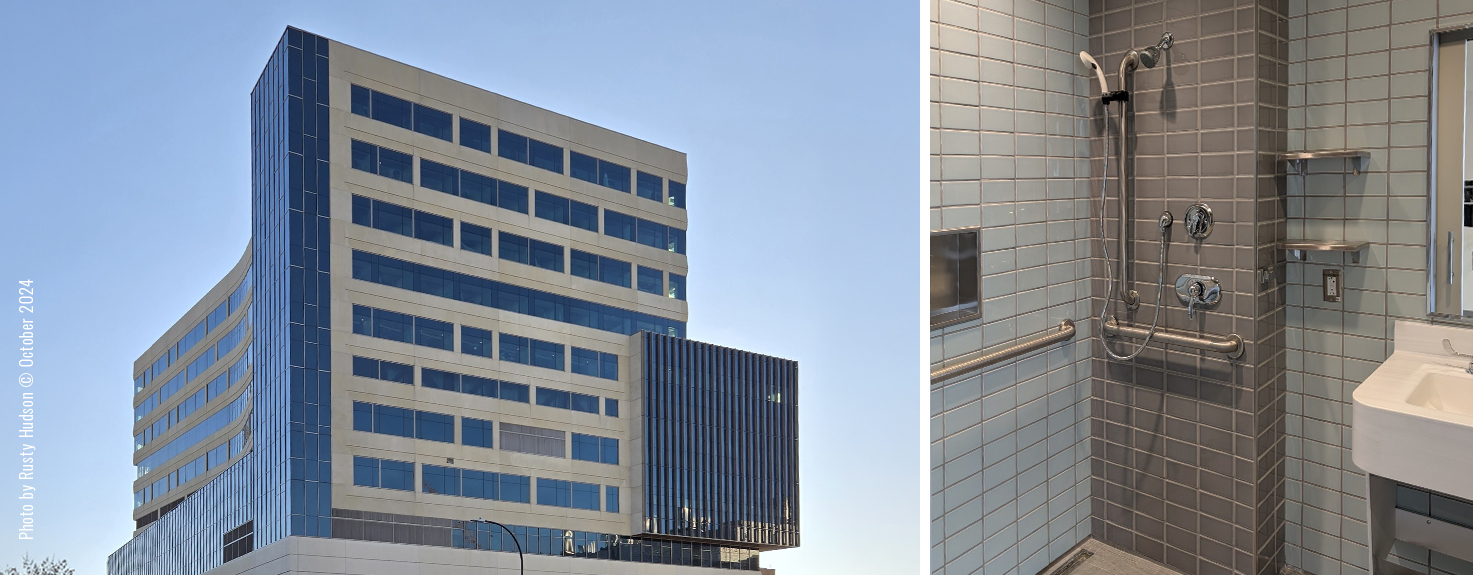
Sustainability in Practice: Michigan Medicine’s Kahn Health Care Pavilion
The 690,000-square-foot D. Dan and Betty Kahn Health Care Pavilion at Michigan Medicine offers a real-world example of this approach. Designed with ambitious environmental and wellness goals, the facility ultimately achieved LEED® Platinum certification.
LATICRETE SUPERCAP® SC-500 self-leveling underlayment was pumped directly from ground level, eliminating floor-by-floor material handling and on-site mixing. This streamlined substrate preparation while reducing jobsite congestion, packaging and labor demands.
For the facility’s 240 showers, HYDRO BAN® pre-formed, shower pans provided a faster alternative to traditional mortar-bed construction. The systems eliminated multiple curing stages, reduced material mixing, and helped minimize installation variability, rework, and waste. Custom-fabricated pans also supported precise, ADA-compliant installations.
Across the facility, LATICRETE products were selected for durability, moisture management, chemical resistance, cleanability and long-term maintainability, all important considerations in a demanding healthcare environment. Low-emitting products, along with product transparency documentation including EPDs, HPDs, and UL GREENGUARD certifications, further supported the project’s indoor environmental quality goals.
Together, these decisions demonstrate how sustainability can extend beyond the materials themselves. Efficient installation methods, reduced waste, and long-term product performance can all contribute to a building designed to perform responsibly over its service life.
Sustainability Built Into Every Layer
Sustainability isn’t solely about choosing materials with a lower environmental impact. It’s about making smarter choices at every stage of construction.
For tile and stone installations, that means looking at how materials are innovated, developed, transported and installed as well as their maintenance requirements. Choosing a manufacturer like LATICRETE that prioritizes sustainability across our products, operations, and supply chain can have meaningful impact over a building’s lifecycle.
Taken together, these decisions can have a much bigger, more tangible impact and help move sustainability from a buzzword to a standard for better construction.
Read our Sustainability Report to learn more.